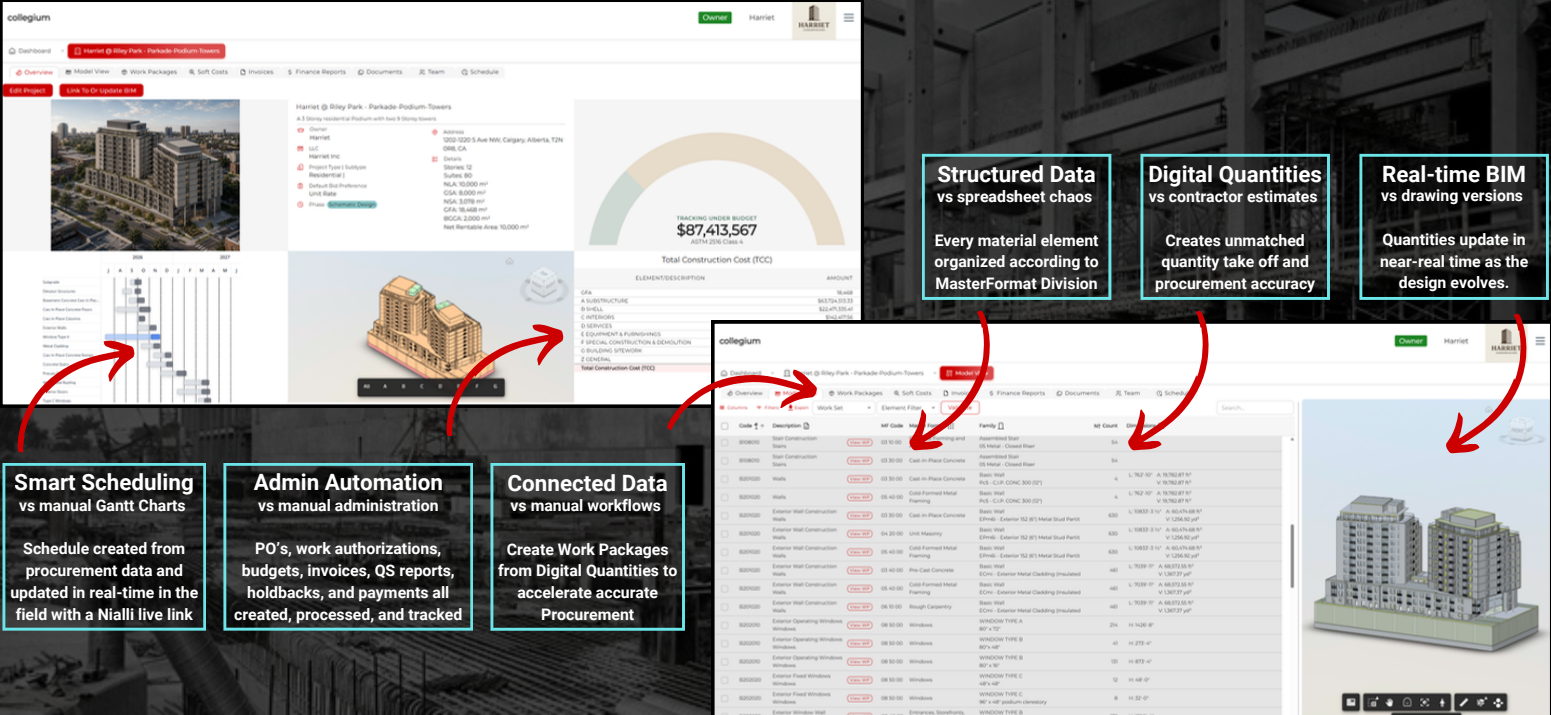
This is what Collegium does, and does well

Collegium coordinates the continuous exchange of information between the Owner and every project stakeholder. Our approach manages this so decisions are informed, quantities are precise, responsibilities remain clear, and the project stays on track.

Public building at dusk

Project Development Plans

A successful project starts with a clear understanding of what is being built, what it should cost, and how it will be delivered. Collegium’s Project Development Plan brings the project owners’s objectives, scope, design requirements, budget, schedule, procurement strategy, and key risks into a single framework, giving Owners the information they need to make confident decisions before major commitments are made.
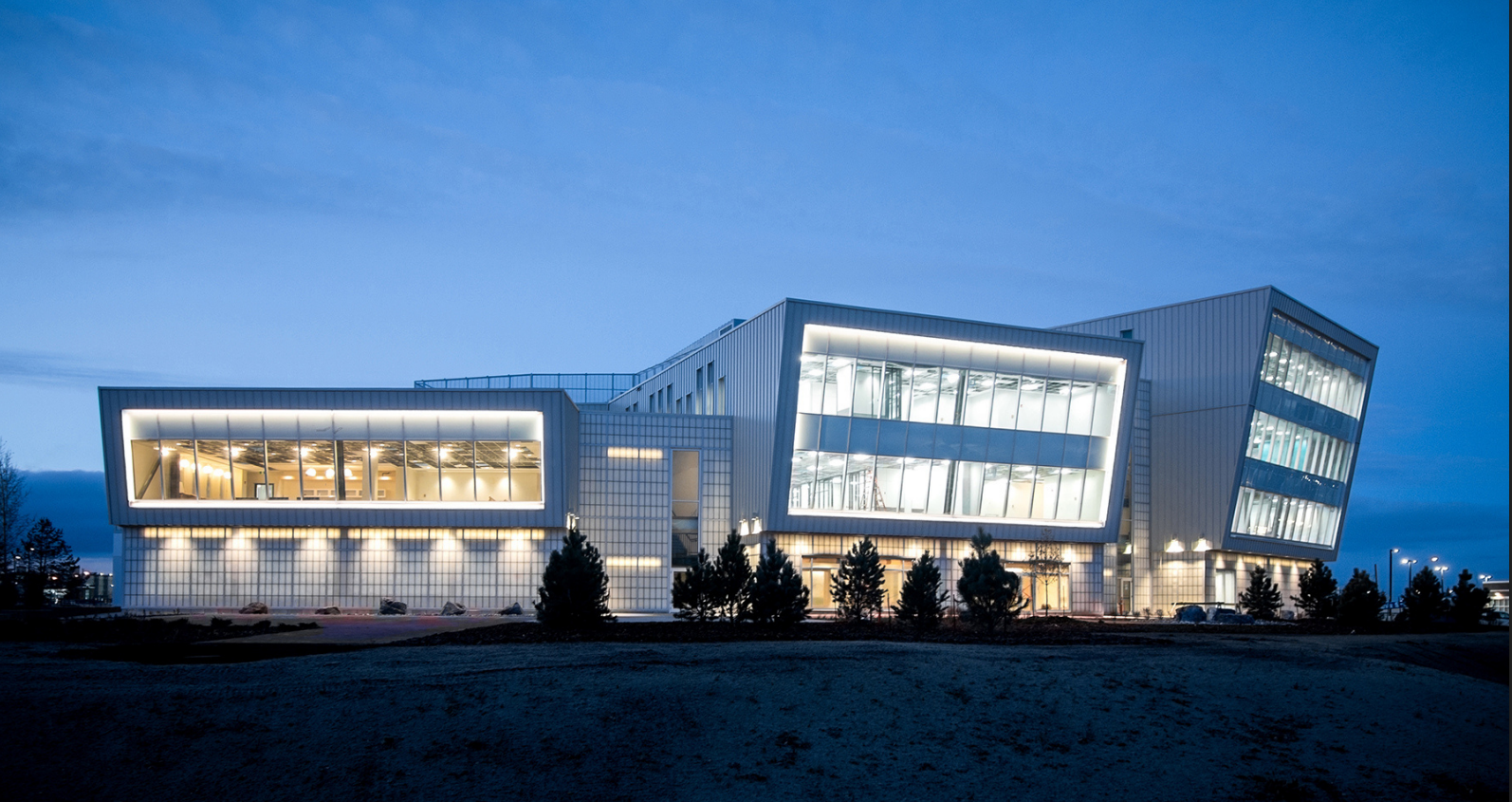
Public building at dusk

Project Management

Collegium manages projects around a shared source of reliable project data. We connect the Owner, design team, consultants, suppliers, and trades through clearly defined scope, quantities, responsibilities, costs, and schedules. We can make our mistakes digitally, and execute efficiently. We use the following principles.

image

Project Activation

We begin by defining what success means for the Owner. Project objectives, operational requirements, budget, schedule, quality expectations, and key constraints are established at the outset and translated into measurable project requirements. These become the basis for the decisions, data, and workflows that follow.

image

Planing and Organisation

Collegium establishes the project structure before execution begins. Budgets and schedules are developed, responsibilities are defined, and the project is organised into clear, measurable scopes of work. Procurement and delivery strategies are developed alongside the design so that cost, schedule, and constructability remain connected as the project evolves.

image

Strategy

The Owner’s requirements are translated into a coordinated project program. Design intent, functional requirements, quantities, budget, schedule, and project constraints are evaluated together, allowing the team to understand the consequences of design decisions early and maintain alignment between what is required, what is designed, and what can be delivered.

image

Design and Pre-Construction

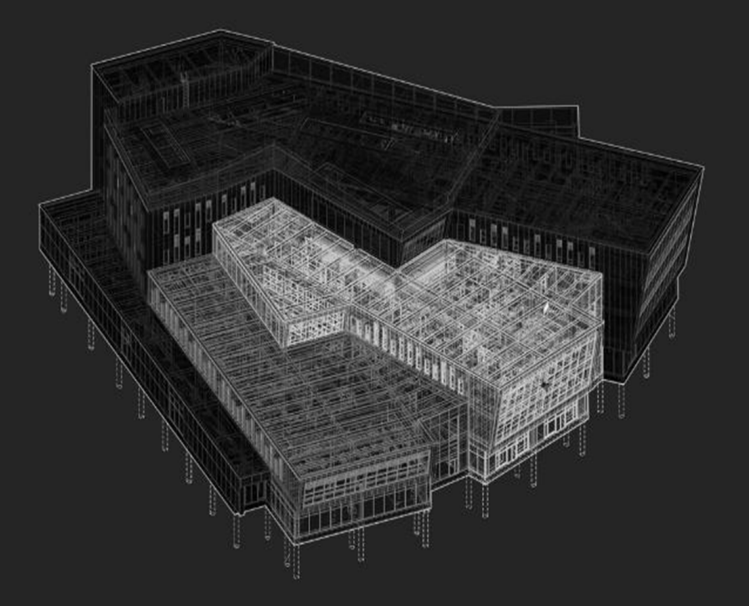
Collegium treats the project model as a structured source of project information, not simply a design deliverable. The model is the database. Model elements are organised into trade oriented work packages, creating a direct connection between design, quantities, procurement, cost, and schedule. This allows scope to be validated and competitively priced using the actual project data before construction begins.

image

Construction

During construction, Collegium keeps procurement, contracts, invoices, schedule, quantities, and project documentation connected to the work being delivered. Progress and cost are tracked against defined scopes rather than disconnected spreadsheets and reports, giving the Owner a clear view of what has been bought, what has been built, what has been paid, and what remains.

image

Finish the Job

Project closeout should leave the Owner with more than a collection of documents. Because of our data fidelity, Collegium easily tracks turnover, commissioning, deficiencies, final payments, and project records so that the information developed during design and construction remains organised, traceable, and useful throughout handover and into operations.

Ready to improve your next project?